March 22, 2026
About the Author: Stefan Joubert

Preparing for a violin recital is a unique and rewarding experience.
Below, you will discover how to prepare for a violin recital with confidence, focus, and musical clarity.
It represents far more than simply playing a piece from beginning to end; it is an opportunity to share musical ideas, communicate emotion, and develop confidence as a performer.
Whether this is your first appearance before an audience or part of a longer musical journey, thoughtful preparation transforms uncertainty into clarity and enjoyment.
At the London Violin Institute, we often remind adult learners that recital preparation is not about perfection.
It is about readiness, presence, and connection with the music.

Understanding the Purpose of a Recital
A recital is not an examination. It is a musical conversation between performer and listener.
Many violinists initially approach performance with anxiety because they believe every note must be flawless.
In reality, audiences respond most strongly to musical intention, character, and communication.
A well-shaped phrase played with conviction often leaves a deeper impression than technically cautious playing.
Approaching your recital with this perspective changes everything.
Instead of asking, “Will I make mistakes?”, the more helpful question becomes, “What do I want the audience to hear and feel?”

Structuring Your Practise Effectively
As the recital approaches, practise should gradually shift from technical correction towards performance readiness.
Rather than repeating passages mechanically, begin practising entire sections without interruption.
This helps build stamina and strengthens concentration.
It is also important to rehearse transitions between phrases and sections, as these are often where uncertainty appears during performance.
Practising slowly remains essential, even in the final weeks before the recital.
Slow practise refines intonation, improves bow control, and reinforces security in shifting.
When combined with occasional full run-throughs, it creates both precision and confidence.

Developing Musical Confidence
Confidence does not appear suddenly on the day of the recital.
It grows through familiarity and repetition in performance-like conditions.
Try playing your programme for friends, family members, or even in an empty room as though an audience were present.
Walking into the room, pausing before you begin, and imagining listeners in front of you helps the mind become comfortable with the performance environment.
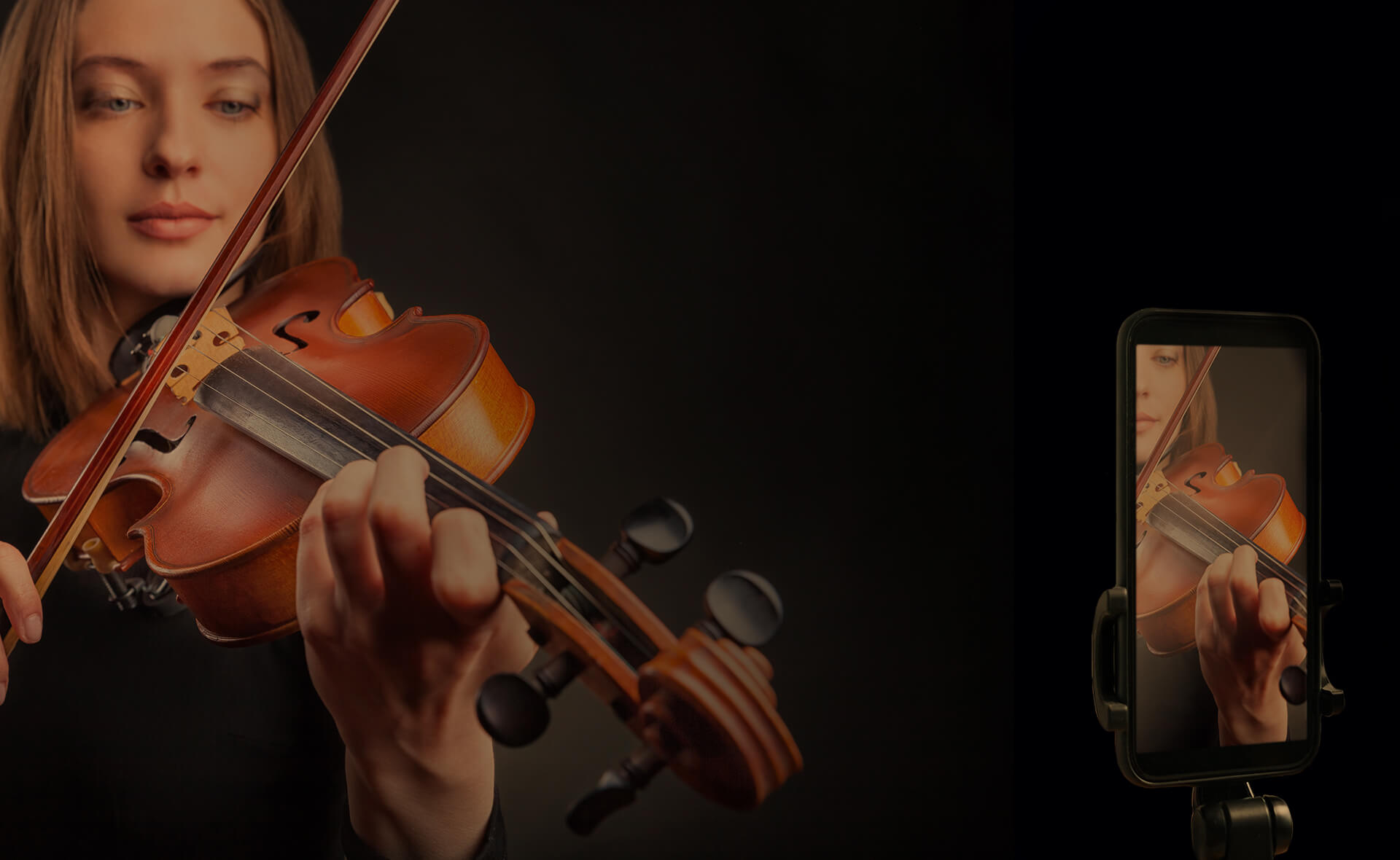
Recording yourself can also be extremely valuable.
It reveals details that are difficult to notice while playing and allows you to refine musical expression with greater awareness.

Preparing Physically and Mentally
Recital preparation includes caring for both body and mind.
Maintaining relaxed posture is essential in the days leading up to the performance.
Avoid over-practising shortly before the recital, as fatigue can affect tone production and concentration.
Short, focused sessions are far more effective than long, tense ones.
Equally important is mental preparation.
Visualising a calm and successful performance can significantly reduce nerves.
Many experienced violinists quietly “perform” their piece in their imagination before stepping onto the stage, strengthening familiarity with every musical gesture.
A steady breathing pattern before beginning can also help settle the body and focus attention.

Planning the Final Days Before the Performance
The final stage of preparation should be calm and deliberate rather than intense.
In the last few days, concentrate on musical flow rather than technical correction.
This is the time to reinforce phrasing, tone colour, and character.
Listening to your piece internally, away from the instrument, can be surprisingly effective in strengthening memory and confidence.
Make practical preparations in advance.
Ensure your instrument is in good condition, your strings are reliable, and your music (if required) is clearly organised.
These small details allow you to focus entirely on the performance itself.

Enjoying the Performance Experience
A recital marks a moment of artistic progress. It is not simply a test of ability, but a celebration of the work you have already done.
Stepping onto the stage with curiosity rather than pressure often leads to the most natural performances.
Allow yourself time before beginning the piece. Listen to the first note. Shape the opening phrase with intention.
From there, the music will begin to unfold more freely.
For many adult violinists, recital experiences become some of the most memorable moments of their musical journey.
They strengthen motivation, deepen musical understanding, and create a lasting sense of achievement.
With thoughtful preparation and supportive guidance, performing can become not something to fear, but something to look forward to.
RELATED POSTS